Table of contents
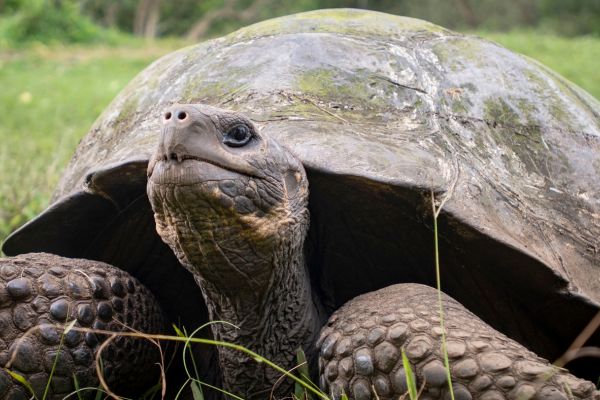
Tortoises have returned to Floreana Island after their disappearance. The giant tortoises which disappeared from Floreana Island have returned to their home after more than 140 years. The restoration process shows the typical muddy conditions which conservation teams must deal with during their large-scale environmental work. Yet, it's not merely about these large, lumbering reptiles. The project aims to restore an island which previously suffered from devastating environmental destruction.
A Historical Homecoming
The Galapagos island of Floreana hosts its story on volcanic hills which have not seen giant tortoises since the late 1800s. In February 2026, the island once again bore witness to the unmistakable shuffle of 158 juvenile tortoises, aged between 8 and 13, reintroduced onto its soil. The Floreana Ecological Restoration Project has reached an important achievement through this event which continues its work to repair the damaged environment of this severely affected island ecosystem.
Why does this return matter? Well, let's take a trip back in time. Two centuries ago, it's estimated that 20,000 giant tortoises roamed Floreana uninhibited. The species disappeared from existence during the mid-1800s because whaling activities together with fires and invasive plants destroyed their nesting areas and surrounding plants. The Floreana giant tortoise extinction was considered permanent which marked the end of the island's historical record.
A Twist in the Tale
But then, in 2008, there was a plot twist. A glimmer of hope emerged from the slopes of Wolf Volcano on Isabela Island. Research scientists discovered hybrid tortoises which originated from species that people believed had disappeared completely but survived because sailors moved these creatures across different islands during the past centuries. The scent of wet volcanic earth blended with the researchers' excitement because they could create a new version of historical events. Thus began a meticulous genetic restoration program to return the giant tortoises back to Floreana.
The Galapagos National Park facility on Santa Cruz Island operated this ambitious project to breed tortoises. The tortoises selected for the program carried between 40% and 80% of the genetic makeup of the original species. Scientists plan to produce offspring with elevated genetic purity by breeding animals which show strongest genetic markers while they protect essential genetic diversity. Conservationists engage in discussions about their opposing conservation goals because similar initiatives have produced positive outcomes in different regions.
Reviving an Ecosystem
Floreana's original dense vegetation disappeared because its native species died out during their extinction. The absence of tortoises allowed invasive plants to spread freely which disrupted the natural equilibrium of the ecosystem while endangering native bird and reptile species. The project aims to bring back these large plant-eating animals which scientists call "ecosystem engineers" to stop the ongoing decline. The animals will maintain plant growth through their eating behavior while their movement patterns will produce trails and open spaces and their digestive process will spread seeds throughout the diverse landscapes of the island which will help reestablish an intricate ecological system.
The process of restoring balance requires an extended period of time because it involves a detailed method which tracks the evolution of predictions against actual results across multiple decades. But there's hope. The 2023 invasive species elimination program led to rising native bird populations while Floreana Island residents finally spotted the Galapagos rail which had vanished for almost two centuries. The tortoises will probably speed up the current recovery process which scientists are monitoring.
Explore Floreana and Beyond: Choose Your Expedition
Witnessing the return of the Floreana giant tortoises is powerful. Experiencing it within the right itinerary transforms it into something unforgettable. Aboard the Grand Queen Beatriz Yacht, each route is designed to connect wildlife encounters, conservation insight, and immersive exploration across the archipelago.
Whether you are seeking a focused escape or a comprehensive evolutionary journey, these itineraries allow you to step into the living story of the Galapagos. From breeding centers and volcanic highlands to Devil’s Crown and Post Office Bay, every stop deepens your understanding of restoration in action.
4 Days A | Essential Floreana & Isabela Experience
Perfect for travelers short on time but rich in curiosity.
-
Visit Floreana’s Cormorant Point, Devil’s Crown, and historic Post Office Bay
-
Explore Isabela’s Giant Tortoise Breeding Center and volcanic landscapes
-
Walk the Santa Cruz Highlands among wild tortoises
-
Ideal introduction to conservation and marine biodiversity
8 Days A | The Complete Southern Evolution Route
Designed for those who want broader ecological context.
-
Floreana combined with Española, Santa Fe, and South Plaza
-
San Cristobal’s Interpretation Center and iconic Kicker Rock
-
Multi-island perspective on endemic species and restoration science
-
Balanced pace with diverse snorkeling and hiking opportunities
Discover the 8-Day A Itinerary
8 Days D | Western Wilderness & Floreana Restoration
For travelers seeking depth, diversity, and advanced wildlife exposure.
-
Extended routing through North Seymour, Rabida, and Isabela
-
Giant tortoise breeding centers and Charles Darwin Station
-
Floreana as part of a larger conservation and volcanic narrative
-
Ideal for repeat visitors or those pursuing a more comprehensive expedition
Each itinerary offers a different lens through which to understand the rebirth of Floreana. The question is not whether you will see wildlife. You will. The question is how deeply you want to engage with the science, history, and future of the Galapagos.
Choose your route. Step aboard. Become part of the next chapter.
The Floreana Ecological Restoration Project
The Floreana Ecological Restoration Project stands as the most ambitious Galapagos rewilding project because it works to bring back twelve species which disappeared from the area. The project seeks to restore a damaged ecosystem which began with the giant tortoises as its initial focus. The restoration plan includes bringing back the Floreana mockingbird and the Floreana racer snake and the vegetarian finch and the Galapagos hawk which serves as a top predator. The restoration process needs to be completed with caution because it supports both the local ecosystem and the human population which has seen better agricultural output and emerging tourist-based economic growth through ecotourism.
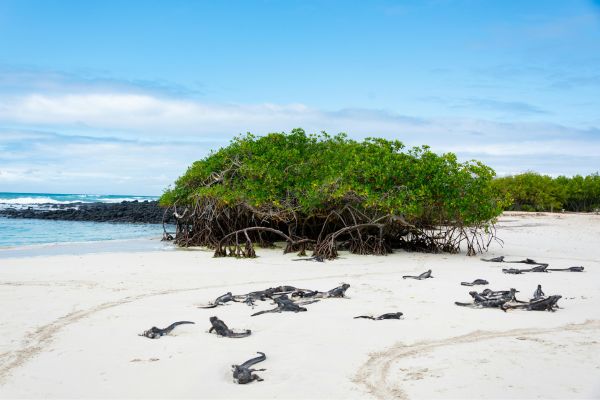
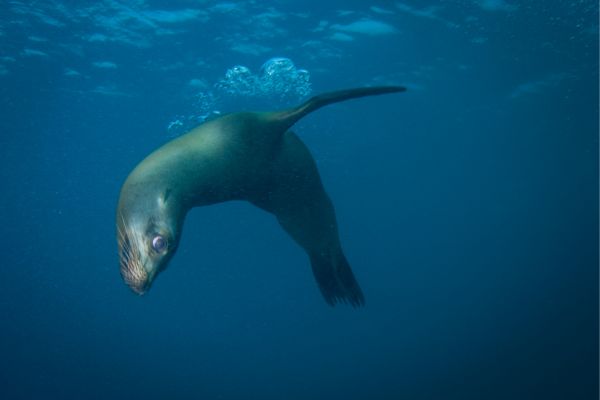
Floreana Island lies approximately 621 miles off Ecuador’s mainland coast, covering about 67 square miles. The southernmost island in the archipelago stands as one of the least visited inhabited islands. Visitors can visit Post Office Bay at this location which also offers volcanic highlands and ocean saltiness that attracts flamingos and sea lions and penguins and marine iguanas. The area has become a current conservation project which visitors can actively participate in.
The Future of the Galapagos
The Galapagos future faces what consequences because of these developments? The successful reintroduction offers cold, hard proof that large-scale ecosystem restoration is possible, even after centuries of damage. The tortoises have returned to their habitat which marks the start of a multi-decade process to restore their environment through visitor restrictions and quarantine requirements and protective systems which defend all achieved progress. The tortoises seem unaffected by human interference yet their return indicates that Galapagos will eventually achieve its full recovery which will progress through future generations.